Buy and Sell Business in the Philippines: Profitable Ideas and Trending Niches




Table of Contents

Starting a buy and sell venture in the Philippines presents an excellent opportunity to engage with the nation’s expanding economy and potentially generate substantial earnings. You don’t necessarily need a formal business education or substantial capital to get started. This type of venture can be launched by anyone — from college students to stay-at-home parents and even those with little experience — starting with as little as Php 10,000. In this article, we will share several interesting ideas for a buy-and-sell business in the Philippines worth considering.
- Only 1 Valid ID needed to Apply
- Fast approval in 5 minutes
- First loan with 0% interest rate *

(*) Digido Тerms and Conditions Apply
Buy and Sell Business in the Philippines: e-commerce trends
The buy and sell business involves purchasing goods from a producer or wholesaler and selling them to end users at a markup. One up-and-coming venue is reselling goods online. This is supported by statistics showing significant growth in the country’s e-commerce market.
The number of users in the Philippine e-commerce market is projected to increase by a total of 17.3 million users, representing over 121% growth between 2025 and 2029 (2). After nine consecutive years of development, this figure is expected to reach 31.6 million users by 2029, marking a new peak.
Therefore, if you are considering starting an online buy-and-sell business, it’s crucial to act promptly, assess whether this venture aligns with your needs and goals, and select a promising and profitable niche.

7 Best Growing Buy and Sell Business Ideas Growing in the Philippines
Choosing the right product is crucial for future success. For example, selecting an unclaimed product to sell can lead to significant challenges in growing your business. Ensure you have chosen a sought-after and promising product. Some of the best buy and sell business ideas are listed below.
1. Niche Subscription Boxes
You can tap into a trending niche by curating and selling subscription boxes focused on specific interests, such as beauty, fitness, or gourmet food that cater to targeted audiences. The concept is straightforward: gather products from various manufacturers within a category and deliver these curated boxes to customers on a monthly subscription basis with a potential 20–40% profit margin.
The demand for this type of subscription is high: the global subscription box market is forecasted to exceed $145 billion by 2032 (3). For instance, you can offer meal kits tailored for individuals with gluten allergies or specifically designed for toddlers. These boxes are trendy among women, featuring cosmetics, hair and body care products, or eco-friendly cleaning supplies.
Besides, there is also a bit of surprise, as subscribers don’t know what exactly they will receive next month. This makes such boxes extremely attractive for people.

2. E-commerce and Online Marketplaces
If you plan to resell goods online, you can utilize existing marketplaces or develop your own website. Here are the options to select from:
- Selling products through platforms like Lazada and Shopee. Shopee remains the local leader in B2C e-commerce. In second place is Lazada Marketplace, which offers various product categories. Other popular online stores in the country include Zalora, Metrodeal, Carousel, eBay, and more.
- Niche online stores. Alternatively, you can create your own website and sell goods on your terms without paying commissions to marketplaces. Your online storefront can also be integrated into your personal blog.
3. Korean Cosmetics
The demand for Korean beauty products in the Philippines is robust, with reports indicating that consumers prefer K-beauty for its effectiveness. The market is expected to continue growing significantly, with projections suggesting an annual growth rate of 7.0% by 2028.
Why is Korean cosmetics so popular worldwide? There are several factors contributing to this. The global Hallyu wave, encompassing K-pop and K-dramas, has sparked widespread interest in Korean culture and beauty standards among Filipinos. Many are inspired to emulate the skincare routines of their favorite celebrities.
Besides, Korean skincare products are often formulated to suit Asian skin types, which resonates well with Filipino consumers. Dermatologists note that these products are generally lighter and more suitable for the local climate compared to Western alternatives. K-beauty is known for its use of unique ingredients such as snail mucin or ginseng, that are effective for hydration and skin rejuvenation.
The influx of Korean brands like The Face Shop, Innisfree, and Laneige has made K-beauty products widely available across various retail channels in the Philippines. This accessibility, combined with a range of price points from budget-friendly to high-end, appeals to a broad audience.

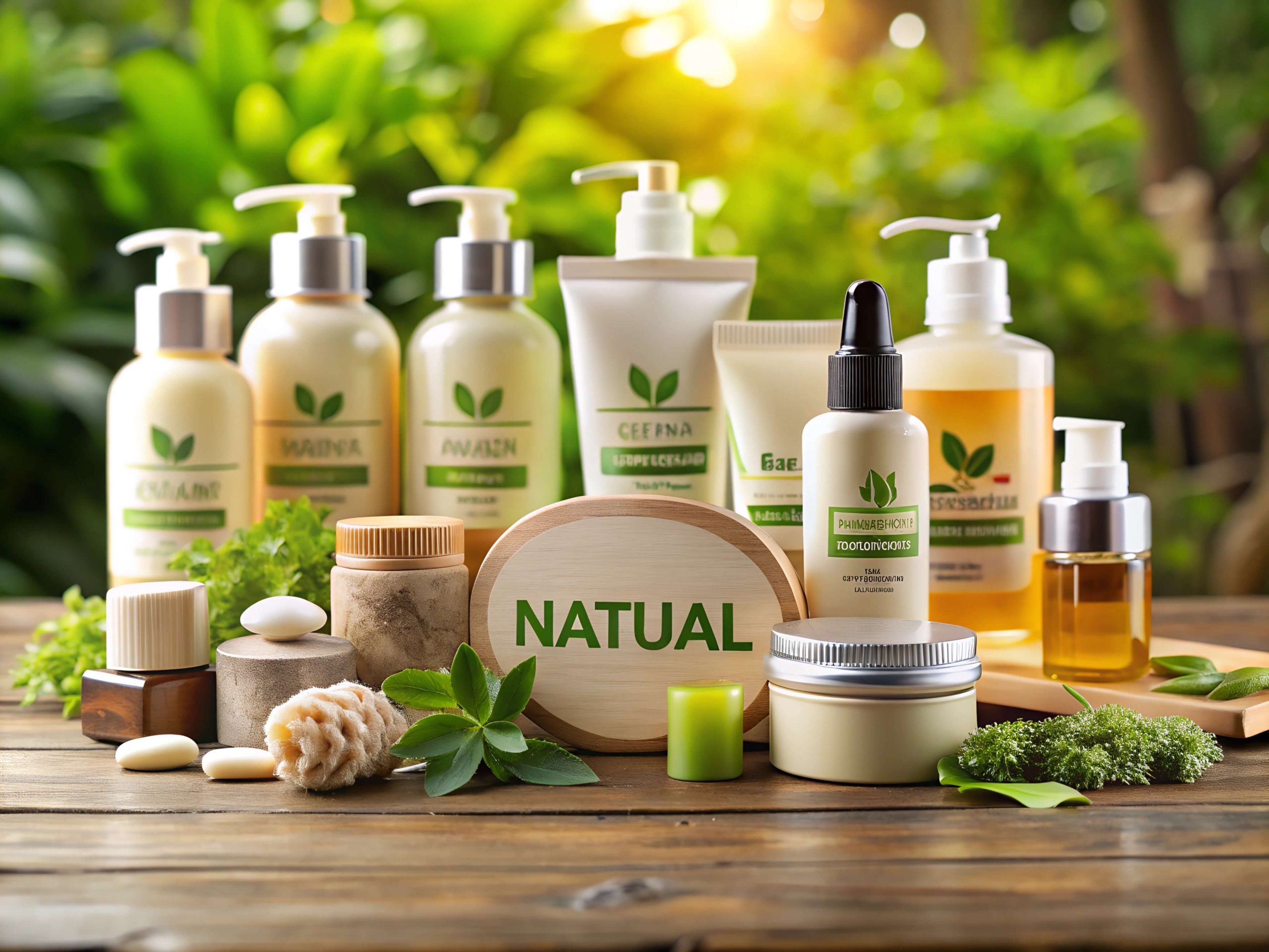
4. Sustainable and Eco-Friendly Products
Surveys indicate that 73% of consumers would like to live a more sustainable lifestyle (4). Natural eco-products are expected to remain trendy for the foreseeable future, as they are associated with significant concepts, such as smart consumption, environmental protection, and healthy living.
However, many people find it challenging to be environmentally friendly due to difficulties in finding alternatives or higher costs. Therefore, when dealing with eco-products, it’s essential to balance between the product’s value for the buyer and its price while also understanding your target audience.
What eco-friendly goods you can sell:
- Organic and natural products. Top buy and sell business ideas in this niche include bamboo cutlery, edible straws, recycled rugs, flushable tissues, bamboo tumblers, recycled plastic toothbrushes, and eco-bags.
- Reusable and recyclable items. Reusable items like water bottles and portable coffee cups are gaining popularity. Additionally, recycled materials are trending across a variety of categories, from bags to furniture.
5. Technology and Gadgets
Technology consistently ranks among the most in-demand product categories. Accessories like wireless headphones, computers, and televisions remain highly relevant as buy and sell business ideas. Here, you can select:
- Latest tech accessories. The electronics accessories market is projected to grow due to the expanding consumer electronics sector and the increasing adoption of smart devices. Items such as cables, chargers, and protective bags are likely to see heightened demand as consumers seek to enhance and protect their devices.
- Pre-owned electronics market. Reselling smartphones and accessories can be lucrative due to constant upgrades by consumers. You can source devices from online retailers or individuals upgrading their gadgets. In the global used gadgets market, laptops hold the top position, while gaming consoles are the fastest-growing category, accounting for up to a third of the total used gadgets market (5).
6. Fashion and Apparel
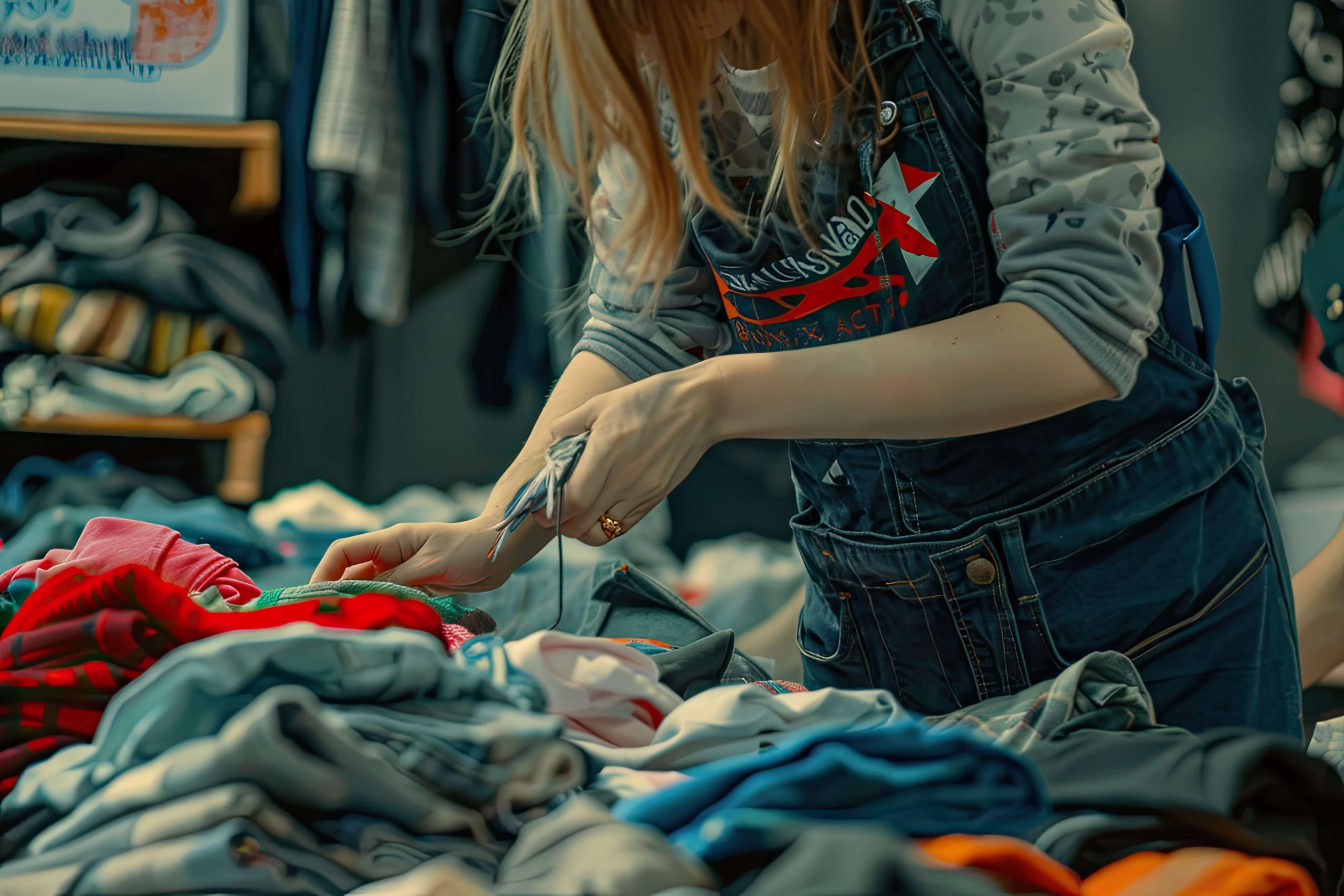
This niche includes, first of all, local clothing brands. Women’s apparel continues to experience persistent growth. Interestingly, 96% of sales in the apparel market are related to non-luxury items (6). A viable business model could involve setting up an online shop featuring your brand alongside local manufacturers’ clothing.
Besides, you can sell second-hand clothes. This business model is commonly known as ukay-ukay. Second-hand items are significantly cheaper than new clothing, making them accessible to a broader audience. Besides, many shoppers enjoy the thrill of discovering vintage or rare pieces that are not available in mainstream retail stores. The growing awareness of sustainable fashion has made second-hand shopping more appealing, as it promotes recycling and reduces waste.
7. Health and Wellness Products
Here are some ideas and considerations for establishing such a business:
- Vitamins and supplements. By 2030, the nutrition and supplements market in the country is expected to grow (6) to $1.4 billion from $0.8 billion in 2022. This means more and more Philippinos buy vitamins for themselves and their children. Government programs fuel the growth, more awareness about health, and rising disease rates. Local companies like Nature’s Spring, United Laboratories, and USANA Health Sciences lead the market.
- Dietary supplements. Selling vitamins, minerals, herbal supplements, and protein powders can cater to the growing health-conscious market. Consider partnering with local manufacturers or importing from reputable suppliers. Ensure compliance with the Philippine FDA regulations by obtaining a License to Operate (LTO) and a Certificate of Product Registration (CPR).
- Organic and natural foods. You can offer organic snacks, superfoods, and health foods that appeal to consumers looking for healthier eating options. The demand for such products is rising as more people prioritize clean eating.
- Fitness equipment. Resell home fitness equipment like dumbbells, resistance bands, yoga mats, and other workout gear. With the increase in home workouts, this segment is becoming increasingly popular. Alternatively, you can buy equipment from suppliers and sell it to fitness centers, which are increasingly attracting more patrons.
- Essential oils and aromatherapy products. Selling essential oils, diffusers, and aromatherapy products can attract consumers interested in holistic wellness. This segment appeals to those looking for natural remedies for stress relief and relaxation.
- Beauty supplements. Focus on supplements that promote skin health, hair growth, and overall beauty. This market is particularly popular among women looking to enhance their beauty regimen.
- Herbal teas and natural beverages. You can sell a variety of herbal teas known for their health benefits, such as detoxification or relaxation. Many Filipinos are turning to natural remedies for wellness.

Benefits and Pitfalls of a Buy and Sell Business
This business, like any other, has its advantages and disadvantages. The main points are summarized below:
Why should I start a buy and selling business?
- Low startup costs. Starting this type of business doesn’t require a significant investment. You can purchase goods directly from the manufacturer or resell them on demand, meaning you buy only as many units as your customers have preordered.
- Flexibility and scalability. If you run such a business online, you are not tied to an office or specific country. Your supplier may be in one location, you in another, and your customer in yet another. This business model is known as dropshipping. You don’t hold inventory; instead, you deliver items directly to your clients, within the country or internationally. Thanks to the Internet, you can make one sale a week or 100 sales a day, depending on how well you set up your online processes — whether through a marketplace, your own website, or a social media page.
- No skills required. You don’t need to be an expert in any niche to start this business. Simply studying materials about the product you wish to sell and basic marketing and sales strategies will be sufficient to get you started.
- Minimal risks. Initially, you can offer your goods to friends and acquaintances, purchasing inventory only when you receive real customer orders. If you see that the business does not work the way you expected, you won’t have to sell out the whole store’s assortment.
The risks and pitfalls to consider:
- Unstable demand in the market. Demand for a particular product can fluctuate and even drop sharply, so it’s essential to be prepared.
- High competition. This business model is simple and straightforward, attracting many participants.
- Unpredictable returns. At some point, you will likely encounter returns or defects. Since you are not the manufacturer, you cannot fully control the quality of the products you sell.
- Involvement and time. Initially, you will need to invest significant time to get your shop up and running. In entrepreneurship, your work doesn’t end when your shift does; full involvement is necessary. However, with effective online business processes in place, you can later reduce your commitment to just a few hours a week for your online shop.
Starting a Buy and Sell Business in the Philippines: What to Consider
To succeed, follow the plan below:
- Analyze the market and identify a niche that is both in demand and interesting to you. Examine the most popular categories on leading marketplaces, explore requests on thematic forums, and review the most sought-after products.
- Define your potential customers, including their needs and pain points; this will help you effectively market your products and communicate with prospective buyers.
- Research the pricing of various suppliers and understand local and international delivery conditions. Ensure you verify current information with suppliers for the ongoing year.
- Get acquainted with the necessary documents to register your business in the Philippines. This includes registering your business name with the Department of Trade and Industry (DTI), obtaining Barangay business clearance, acquiring a Mayor’s permit, and registering with the Bureau of Internal Revenue (BIR).
- Analyze competitors’ pricing strategies and consider how to set your product’s price, taking into account marketing costs and other expenses.
Short of money for your business ideas? Receive funds to your bank account today! You only need one document and a working smartphoneю. A 10-minute money delivery! Calculate your first loan now:
* Interest payments are approximate. The final loan amount and interest rate must be confirmed in your loan agreement after loan approval.
Future Trends in the Buy and Sell Industry
1️⃣ Integration of artificial intelligence (AI): Philippine companies are actively integrating AI tools to maintain competitiveness. Many have introduced AI “copilots” that assist human workers by summarizing customer interactions from calls or emails, thereby reducing lengthy explanations (7). This involves advanced speech recognition, data processing, sentiment analysis, and real-time responses. In the future, AI tools are expected to be integrated into all major processes and communications within online commerce.

2️⃣ Personalization and recommendations: Today, search engines and significant marketplaces generate personalized recommendation lists for products and services based on user search queries, past purchases, or location. Online sellers should seek ways to feature on these lists to create additional channels for attracting customers.
3️⃣ Social Commerce and Live Selling Expansion: In 2025–2026, live selling and social commerce will dominate online sales, blending entertainment with shopping. More brands will use live-stream platforms to showcase products in real time, engage with viewers, and answer questions instantly, creating a seamless, interactive shopping experience. Social media channels will likely add advanced in-stream purchasing options, making it easier than ever for viewers to buy directly without leaving the app.
Key Takeaways:
- Starting a buy and sell business in the Philippines can be initiated with minimal capital, requiring as little as Php 10,000, making it suitable for a diverse range of individuals, from students to parents.
- Key advantages include low startup costs, flexibility through online platforms, and minimal skills required, though challenges such as market demand fluctuations and high competition exist.
- Modern technology enables you to resell goods without needing to handle them physically. You can explore a wide range of product categories, offer themed boxes, and tap into the growing market for used goods.
- To succeed with your venture, you should conduct thorough market research, define your target audience, and understand the necessary business registration processes in the Philippines.
FAQ
-
Why should I try a buy-and-sell business if I have no prior experience?This type of business doesn't require significant investments or specialized knowledge, and it carries minimal risks.
-
How can I register my business in the Philippines?Start by registering your business name with the Department of Trade and Industry (DTI). Next, obtain a Barangay business clearance, and a Mayor's permit and register with the Bureau of Internal Revenue (BIR) and the Social Security System (SSS).
-
What are the most profitable buy-and-sell niches?Niches involving high-value products tend to be more profitable, allowing for better markups and greater overall profit. Examples include mobile phones and household appliances. Subscription-based products can also yield substantial profits due to their steady monthly income.
-
What are the main risks associated with this business?It's important to recognize that market trends and the overall economic climate will influence you. A product that sells well one year may see a dramatic decline in sales the next. Additionally, you may face challenges such as returns, rejected goods, delays, and damages.
-
Can I start a buy-and-sell business with zero investment?While you can sell products by collecting upfront customer payments, you will still need to invest in business registration. If you aim for professional branding and marketing, you may require the expertise of professionals. Furthermore, you'll need to manage bookkeeping, promote your products on social media, and cover other related expenses.

Articles sources
- 1. Southeast Asia eCommerce Outlook - TMO Group
- 2. eCommerce Users in Philippines Forecast - Statista
- 3. Subscription Box Market Report - Expert Market Research
- 4. Consumer Environmental Awareness Report - Alibaba Group
- 5. Refurbished Electronics Market Report - Market Research Future
- 6. Apparel Market Outlook in Philippines - Statista
- 7. Philippines Nutritional Supplements Market Analysiss - insights10
- 8. AI’s Impact on Philippines’ Call Center Industry - Hindustan Times
Authors


Download our app
- Borrowing 24/7
- Approval rate over 90%
- 1 Valid ID